Garlic (Allium sativum) in Traditional and Modern Medicine
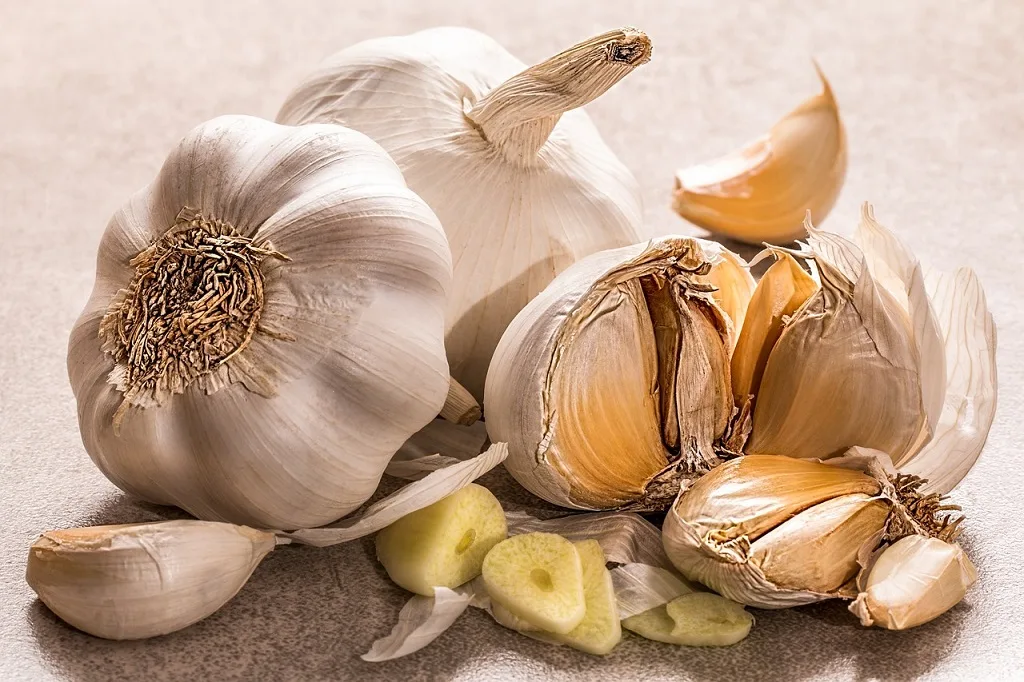
Garlic has been used for medicinal purposes for thousands of years, beginning with ancient civilizations such as the Egyptian, Babylonian, and Greek. In traditional medicine, garlic was believed to have numerous health benefits, including strengthening the immune system, reducing inflammation, and treating conditions such as heart disease, high blood pressure, and infections. In addition, garlic was used as a remedy for digestive and respiratory problems and against parasites.
Dioscorides wrote about the medicinal properties and uses of garlic in his influential work, De Materia Medica. He recommended garlic for a number of ailments, including digestive and respiratory problems and parasitic infections. He also reported its benefits as a stimulant and expectorant, and its ability to increase circulation and reduce inflammation. Dioscorides' writings on garlic had a great influence on the development of traditional phytotherapy.
Garlic also has a long history of use in traditional Chinese and Indian medicine.
In Chinese medicine, garlic is considered a warm and pungent herb that helps increase the body’s vital energy and improve circulation. It is used to treat a variety of health problems, including high blood pressure, cardiovascular disease, and infections. It is also believed to help regulate cholesterol levels, support the digestive system, and improve overall immunity.
In Ayurvedic medicine, the traditional Indian system of medicine, garlic is considered a warming herb with a pungent flavor. It is believed to have antimicrobial and antioxidant properties, as well as the ability to support cardiovascular health and improve digestion. Garlic is often recommended as part of a healthy diet and is used in various herbal remedies to support the immune system, reduce inflammation, and improve overall well-being.
Several studies in modern medicine have shown that garlic has anti-inflammatory, antihypertensive, antiplatelet, and antidiabetic effects. Garlic is rich in several sulfur-containing phytoconstituents such as alliin, allicin, ajoenes, vinyldiths, and flavonoids such as quercetin.
Extracts and isolated compounds of garlic have been evaluated for various biological activities, including antibacterial, antiviral, antifungal, antiprotozoal, antioxidant, anti-inflammatory, and anticancer activities.
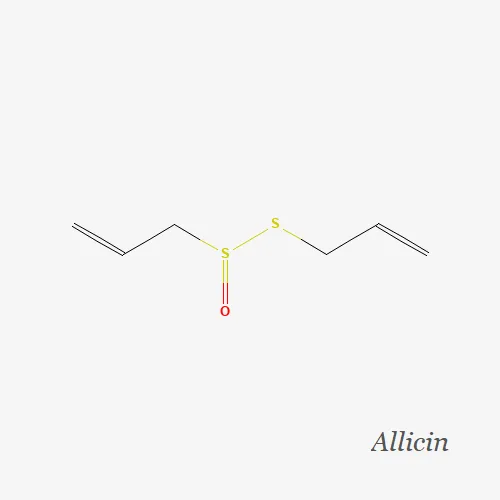
It has been hypothesized that allicin, the compound formed in high percentage when a garlic clove is cut, macerated or crushed, is the main compound responsible for the beneficial effects of garlic consumption. The processing and aging of garlic results in the production of biologically active organosulfur by-products; aged garlic extract containing S-allylcysteine has been reported to be an effective and tolerable treatment for hypertension.
Finally, garlic consumption protects against cancer risk, probably due to several bioactive molecules with anticancer activity, including diallyl trisulfide, allicin, diallyl disulfide, diallyl sulfide, and allyl mercaptan.